Most of boot cleaning is mechanical, which makes the brush the tool that matters. There are three types and you probably need two of them.
By Scooter M., Enthusiast. Published September 1, 2026.
We earn a commission if you buy through the links on this page, at no extra cost to you. It never changes a ranking, and we recommend products with no affiliate link behind them where those are the right answer. Full disclosure.
Quick picks
The shortlist, ranked
Ranked on published manufacturer specifications and, where a wattage figure exists, computed running cost. Tap any row for the full write-up, including who should skip it.
#
Product
Best for
Score
Price
01
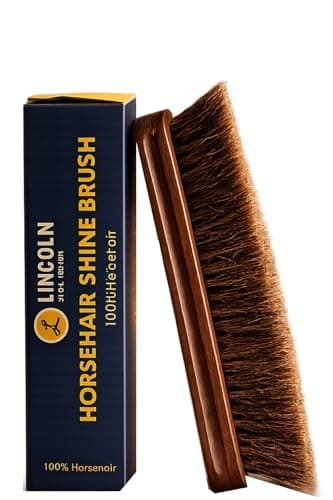
Lincoln Horsehair Shoe Shine BrushBuffing and dusting smooth leather
Scores are ours and editorial. They are never published as review or rating markup, because we have not tested these products.
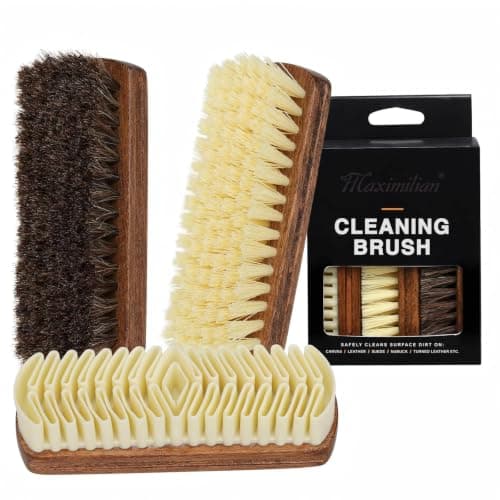
If you buy one brush, buy horsehair. If you own suede, you need a second one, and it is not optional - it is a different material doing a different job. The third brush, for the welt, is genuinely replaceable by an old toothbrush, and we would rather tell you that than sell you one.
Three bristles, three jobs
Brush
Bristle
Job
Never use on
Horsehair polishing brush
Horsehair
Dusting, buffing, moving dried mud
Suede - it will not lift the nap
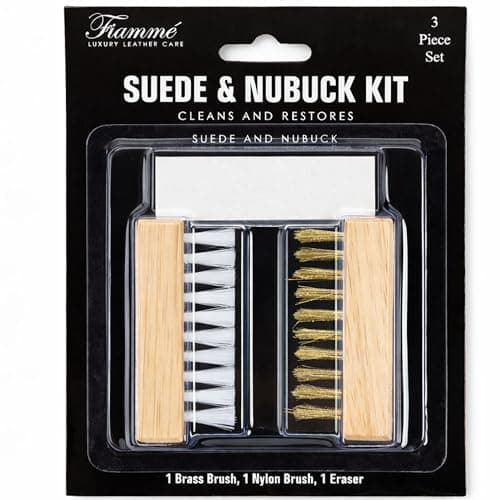
Suede brush and eraser block
Brass and nylon, plus crepe rubber
Lifting nap, removing bonded marks
Smooth leather - brass scars a finish
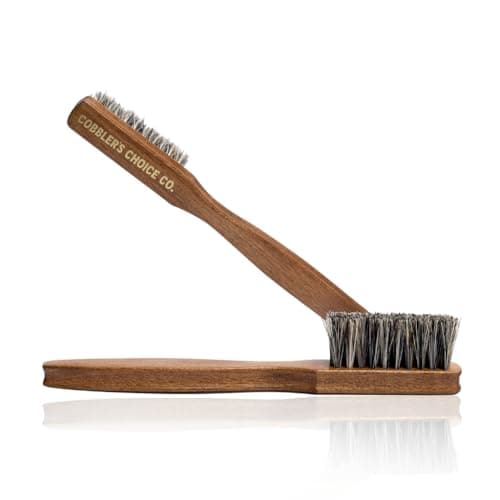
Welt and detail brush
Small and stiff
The seam between upper and sole
Nothing much - it is a detail tool
Why horsehair
It hits a specific balance that synthetic bristles generally miss: soft enough not to scar a finish, stiff enough to actually move dried mud. That means one brush covers both ends of the routine - knocking the dirt off before you clean, and buffing the surplus conditioner or polish off afterwards.
Keep two if you use polish: one for dark boots and one for light. Pigment transfers between colors through the bristles, and a brush that has buffed black polish will leave traces on tan leather.
The set is the cheaper route when you own both leather and suede. Buying three separately is not.
The suede tools are a different category
A suede brush is a mixed brass-and-nylon head, and it works by dragging matted fibers back upright rather than by sweeping the surface. The crepe-rubber eraser block handles what the brush cannot: shiny patches, bonded salt deposits and scuffs. Together they are the only two tools that reliably work on a salt-crusted suede boot, and they do most of that job before any liquid is involved.
Do not use the brass side on smooth leather. It will scar the finish, and unlike a nap you cannot brush the damage back up.
The one we will talk you out of
The welt brush is a small stiff brush for the seam where the upper meets the sole - which is exactly where salt collects and where almost nobody cleans, so the job is real. The tool is not special though. If you have a spare toothbrush, you already own one. We would rather you cleaned the welt with a toothbrush than skipped it because you had not bought the proper brush.
Looking after them
Brushes get loaded with old product and grit, at which point they stop cleaning and start scratching. Comb a horsehair brush out with your fingers after use and wash it occasionally in warm water with a little mild soap, then dry it bristles down. A suede brush mostly needs the crumbs knocked out of it. Neither should need replacing for years.
The write-ups
Every pick, in full
01 / Best overall
Lincoln
8.5 / 10
Lincoln Horsehair Shoe Shine Brush
The one brush every routine needs: soft enough not to scar a finish, stiff enough to move dried mud.
You already own a spare toothbrush - it does the same job.
How it scores, by criterion
Documented use5.5
Material range6.0
Ease of use9.0
Durability8.0
Value9.0
How these picks were chosen
Everyone in this category says they tested twenty dryers. We have not tested any, and we say so. What we did instead: read the manuals, compile the published specifications, compute the running cost from the manufacturer's own wattage figure, and show the arithmetic so you can check it.
Horsehair. It is soft enough not to scar a finish and stiff enough to move dried mud, which covers both the pre-clean and the post-conditioning buff. Keep separate brushes for dark and light boots if you use polish.
Can you use the same brush on suede and leather?
No. A suede brush has brass bristles that will scar a smooth finish, and horsehair is too soft to lift a suede nap. They are different tools for different mechanisms.
Do I need a welt brush?
You need the welt cleaned - salt collects in that seam and works on the stitching. You do not need a dedicated tool for it. An old toothbrush does the same job, and the stitching is the part of a good boot you cannot easily replace.
How do you clean a horsehair brush?
Comb the debris out with your fingers after each use, and occasionally wash it in warm water with a little mild soap. Dry it bristles down so water does not sit in the base. A loaded brush scratches instead of cleaning.