Skip to content
Boot & Brush
01 / Salt Stains

Salt Stains

The white line across the toe is not a cosmetic problem. It is a chemical one, and every day you leave it there it does more damage.

Road salt scattered across an icy winter sidewalk
02 / Orientation

Road salt is hygroscopic: it pulls water toward itself. On a wet leather boot it dissolves in the water already in the leather, wicks outward with it, and then crystallizes at the edge of the damp patch as the boot dries. That crystal edge is the tideline, and the crystals are sitting in the leather fibers, not on top of them.

Blundstone lists salt alongside solvents and strong acids among the things that damage leather: “commonplace substances like milk and salt are also highly damaging. In the event of exposure, clean the boots immediately.” Moneysworth & Best, who sell a purpose-made remover, say the same: salt can eat away at the leather if it is not removed promptly. Both use the word immediately, and both mean it.

03 / If you buy one thing
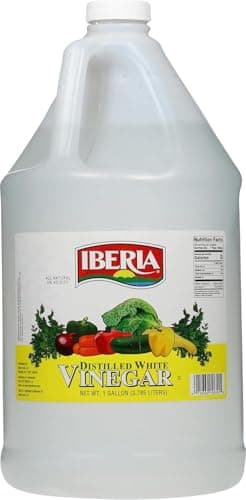
Cloths of the kind used to lift salt residue off leather - a stand-in for the Distilled white vinegar (any brand), not a photograph of this model

Generic

Distilled white vinegar (any brand)

One part vinegar to two parts water is the ratio in Timberland's own stain guidance, and it costs pennies.

Skip it if: The leather is already dry and cracked. Acid on damaged leather makes the damage worse; condition first.

Check price on Amazon

#ad We hold no verified live price for this product, so we show none. How this site is funded.

Why it wins, and what it beat

04 / What decides this

The fix, in one sentence

Brush off the loose salt, wipe the tideline with one part white vinegar to two parts water - the ratio in Timberland’s own stain guidance - wipe the residue off with a clean damp cloth, and let the boots dry overnight somewhere well ventilated and away from heat.

That is the whole procedure and it works most of the time. The reason this hub has more than one page is everything around it: the boots that are suede rather than smooth leather, the stains that have been there since February, the fact that the vinegar strips your wax dressing with the salt, and what to do so it does not happen again next week.

Why the timing matters more than the product

Fresh salt is sitting near the surface and lifts off with water. Salt that has been through three or four wet-dry cycles has migrated into the fiber structure, taken the leather’s oils with it on the way out, and left the leather dry, pale and brittle at the toe flex point. At that stage removing the salt is only half the job - the leather has lost oils that have to be put back.

This is the practical reason we put a cloth and a spray bottle by the door rather than a product recommendation at the top of this page. The twenty-second wipe when you come in beats any product used in March.

The step everyone forgets

A vinegar solution is mildly acidic and water-based. It removes salt, and it also removes whatever wax or proofer was on the boot. So the boot that comes out of a salt clean is a boot with no water resistance at all, which is exactly the state in which it soaks up the next lot of brine.

Clean, dry, condition, re-proof. In that order, and the last step is not optional in a road-salt winter.

Suede is a different job entirely

Do not put a wet cloth on salted suede as a first move. Suede has a raised nap and water mats it; the standard approach is dry first - a crepe eraser block and a suede brush - and only then a barely-damp treatment if the mark survives. The suede procedure is here.

Where this leads

Salt is the third link in the chain and it feeds straight into the fourth. Leather stripped of its oils by salt is leather that needs cleaning and conditioning, and a boot with no dressing on it will be soaked through again on the next wet walk.

05 / What to buy

The picks

06 / Head to head

When two options both look right

A shoe care kit with brushes and cleaning products
04 / Comparison

Salt remover vs leather cleaner

What separates a dedicated salt remover from a general leather cleaner, and when one product covers both jobs.

07 / How to do it

The method

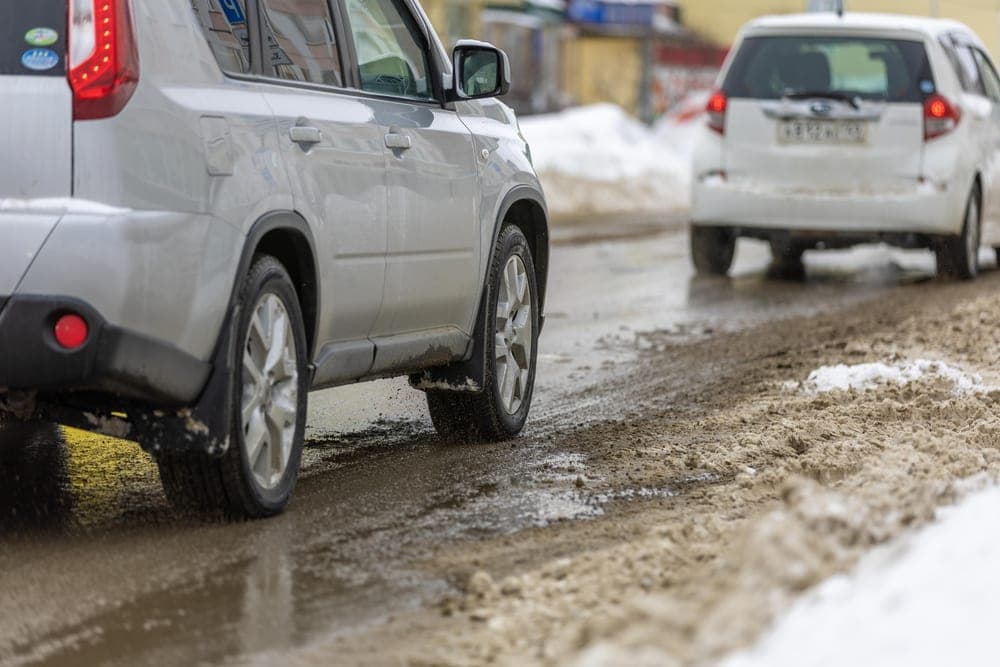
Vehicles moving along a slushy snow-covered winter road
07 / Guide

How to prevent salt stains

The proof-wipe-condition routine that stops salt tidelines forming, and why the daily wipe matters more than any product.

08 / The rest of the chain

The next problem this one causes

Wet, stinking, salted and dried-out are not four separate problems. They are one chain, in that order, and fixing the first one properly is what stops the other three.