Skip to content
Boot & Brush
01 / Leather Care

Leather Care

Three different jobs that get treated as one. Cleaning removes, conditioning feeds, polishing covers - and doing them in the wrong order undoes all three.

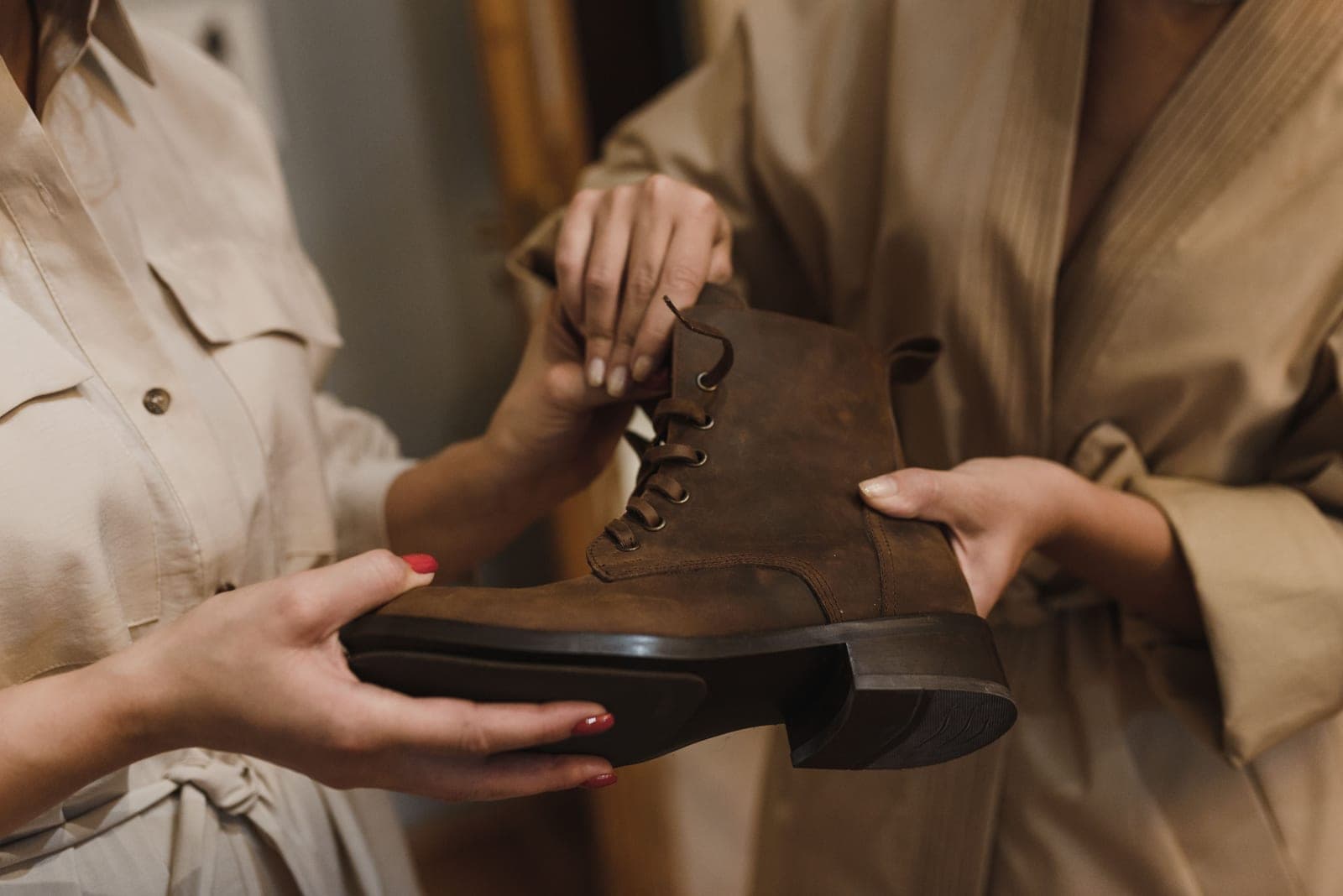
A brown leather boot being buffed with a cloth and brush
02 / Orientation

Leather is a fiber structure held flexible by oils and fats. Every wet-dry cycle takes some of those out; so does salt, so does detergent, so does time. When enough have gone, the fibers stop sliding past each other, the leather stiffens, and the flex point across the toe cracks. That crack is permanent - there is no product on earth that closes it.

Everything in this section is about not getting there. It is genuinely simple once the three jobs are separated, and most of the confusion in the shoe-care aisle comes from products that do two of them at once without saying which.

03 / If you buy one thing
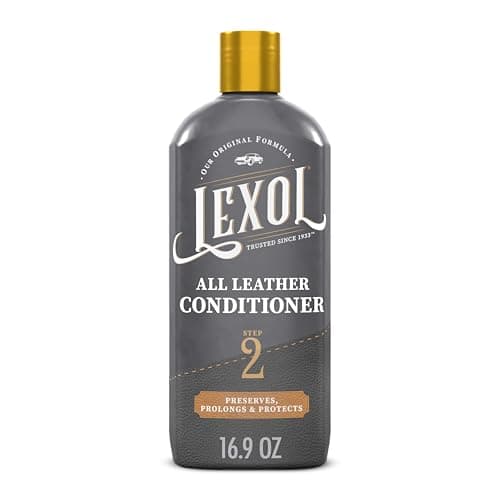
A jar of leather conditioning cream with an application cloth - a stand-in for the Lexol Leather Conditioner, not a photograph of this model

Lexol

Lexol Leather Conditioner

One of the few conditioners whose maker publishes a reapplication interval.

Skip it if: You are conditioning suede. Liquid conditioners flatten and stain a napped surface.

Check price on Amazon

#ad We hold no verified live price for this product, so we show none. How this site is funded.

Why it wins, and what it beat

04 / What decides this

Clean, condition, polish - three jobs, one order

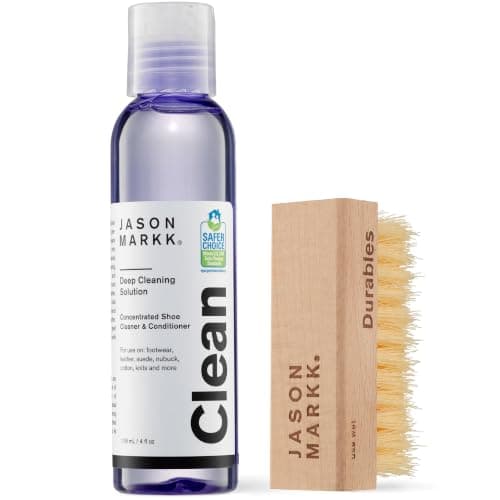
  • Cleaning removes. Dirt, salt, old dressing, previous polish. Saddle soap, a leather cleaner, or a water-based footwear gel. Nothing else works until this is done, because everything else is trying to get through whatever is on the surface.
  • Conditioning feeds. Puts oils back into the fiber structure. Lexol, Bick 4, mink oil, a heavy grease. This is the step that prevents cracking, and it is the step people skip because it produces no visible improvement.
  • Polishing covers. Wax and pigment sitting on the surface. It looks good and it adds a thin barrier. It does nothing for the leather underneath, and applied over dirt it glues the dirt in place.

Do them in that order, allow drying time between each, and a pair of boots will outlast several rounds of the alternative. Polish, cream and wax explained properly is a page of its own - they are not interchangeable and the tin rarely says which one you are holding.

Darkening: the thing nobody warns you about

Several excellent products permanently darken leather, and their makers say so. Atsko states that Sno-Seal will somewhat darken all leather. Mink oil and pine-tar greases darken heavily. Bickmore sells Bick 4 specifically on not darkening. If the color of your boots matters to you, that is the first question to ask about any tin, and it is usually answerable from the manufacturer’s own page in thirty seconds.

How often, honestly

Lexol publishes an interval - use every six months for ongoing care - and most makers do not. The useful signal is not a calendar, it is the leather: if it feels dry and papery rather than supple, or if the flex creases have gone pale, it wants conditioning now regardless of when you last did it. A boot that has just been soaked or salted always wants it.

Suede and nubuck are not leather care

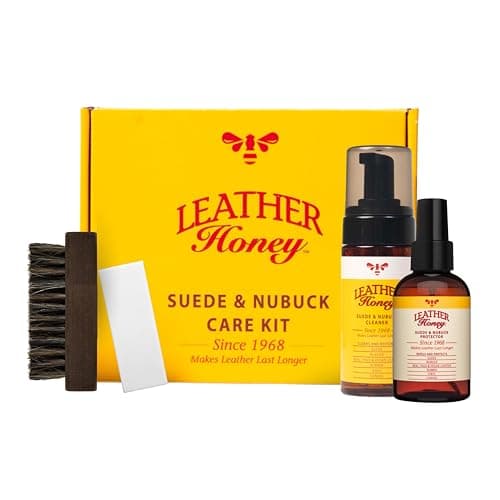
Everything above is about smooth leather. Napped leathers - suede, nubuck - are a dry-cleaning discipline: a crepe rubber block, a brass-and-nylon brush, and as little liquid as you can get away with. Conditioners and waxes flatten the nap and stain it. The suede method is separate.

Where this leads

Leather care closes the chain. Conditioned leather takes a waterproofing treatment better and holds it longer, which means the boots stay drier, which means they do not start to smell and the salt has less to attack. That is the whole loop, and it starts here.
05 / What to buy

The picks

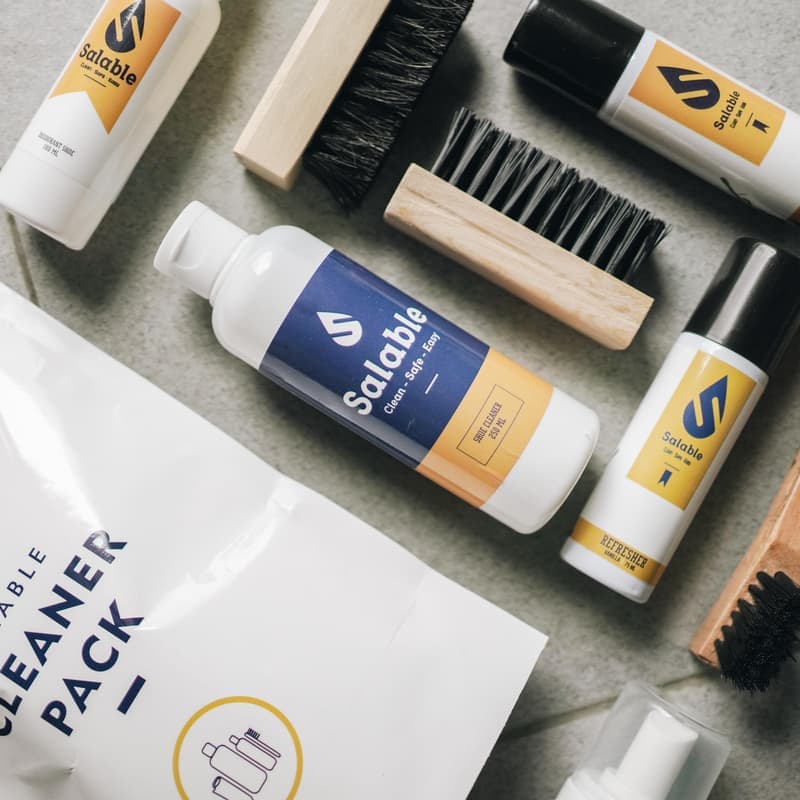
Assorted footwear brushes and cleaning products viewed from above
03 / Roundup

The best boot brushes

The three brush types boot care actually needs, what each is for, and which one a spare toothbrush replaces.

Top pick

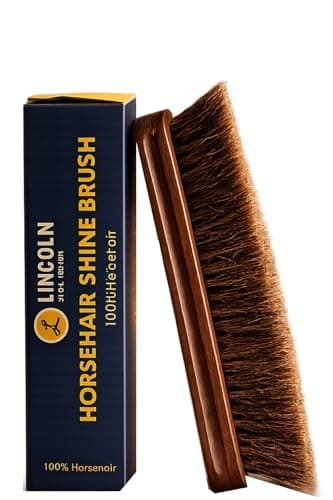
Horsehair polishing brush

Our best boot brushes pick on this page.

Check price on Amazon

#ad We hold no verified live price for this product, so we show none. How this site is funded.

Rows of footwear stored on open shelving
04 / Roundup

The best boot care products

The complete five-item boot care shelf - cleaner, conditioner, brush, proofer and cedar trees - and why nothing else is required.

Top pick

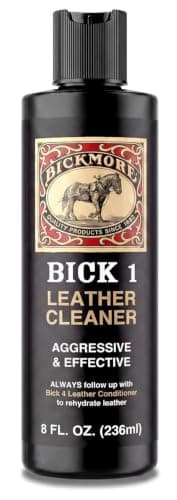
Bickmore Bick 1 Leather Cleaner

Our best boot care products pick on this page.

Check price on Amazon

#ad We hold no verified live price for this product, so we show none. How this site is funded.

06 / Head to head

When two options both look right

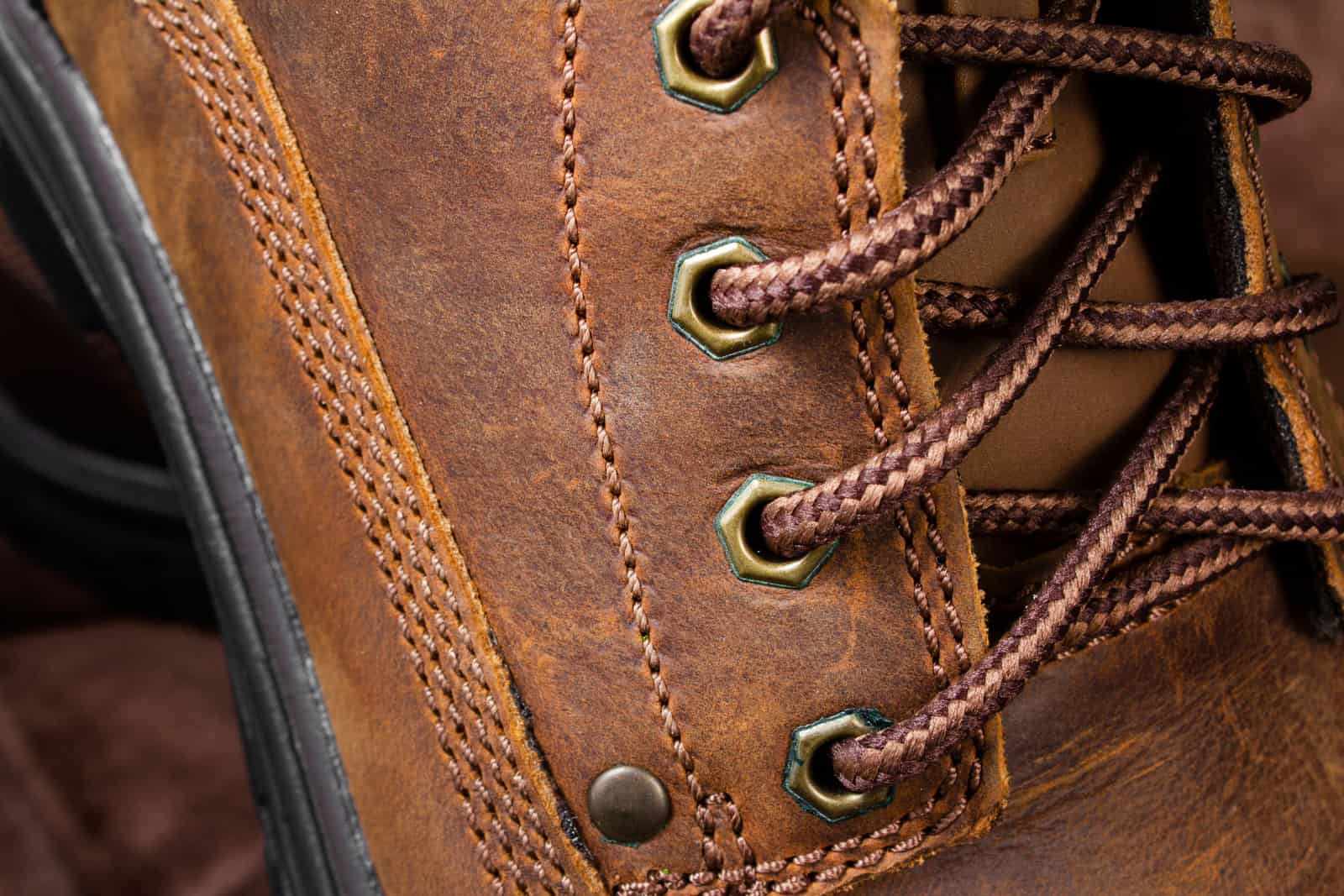
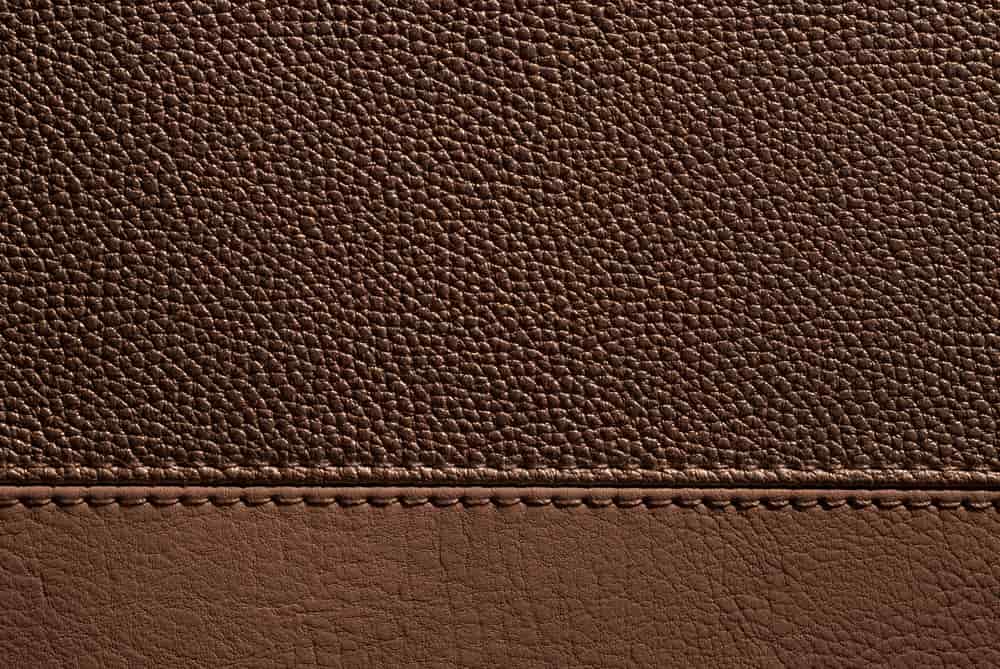
Close-up of brown leather with visible grain and stitching
05 / Comparison

Mink oil vs leather conditioner

Why mink oil softens and darkens where a conditioner only feeds, and which of the two your boots actually need.

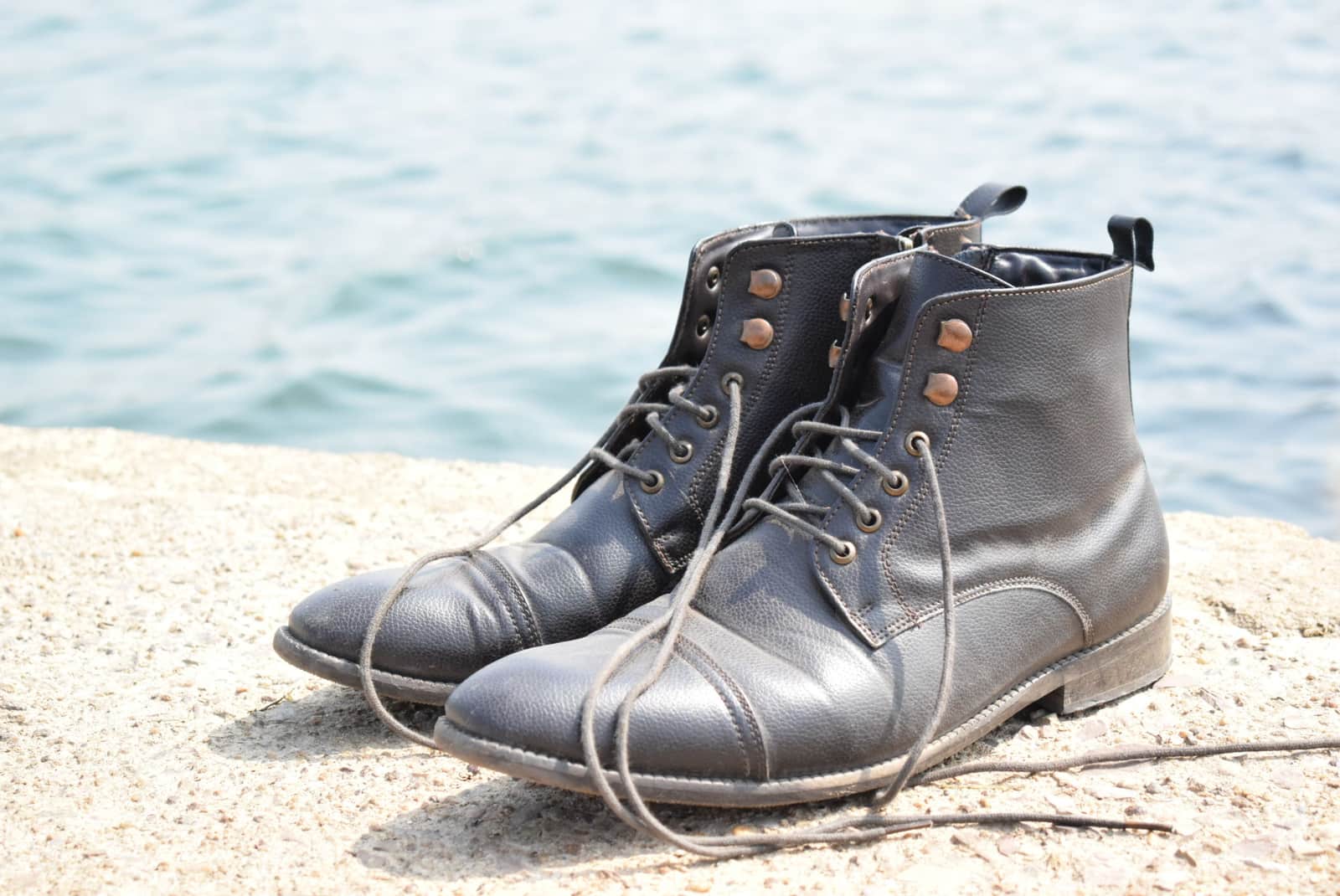
Black leather boots with laces standing outdoors
06 / Comparison

Polish vs cream vs wax

What polish, cream and wax each actually do to leather, and which of the three is worth your time on a working boot.

07 / How to do it

The method

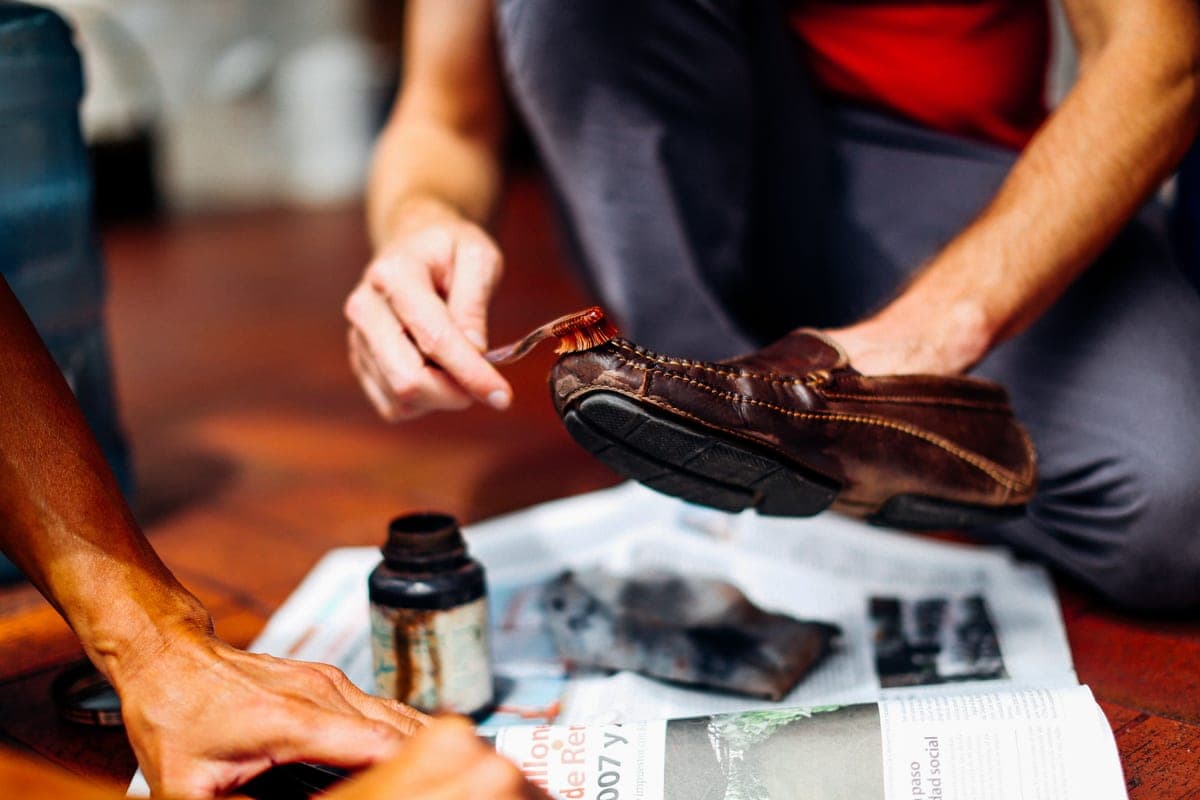
Hands cleaning and polishing a leather shoe
07 / Guide

How to clean leather boots

The six-step method for cleaning smooth leather boots, including why you clean them dry and why conditioning afterwards is not optional.

A person cleaning the surface of a light-colored shoe by hand
08 / Guide

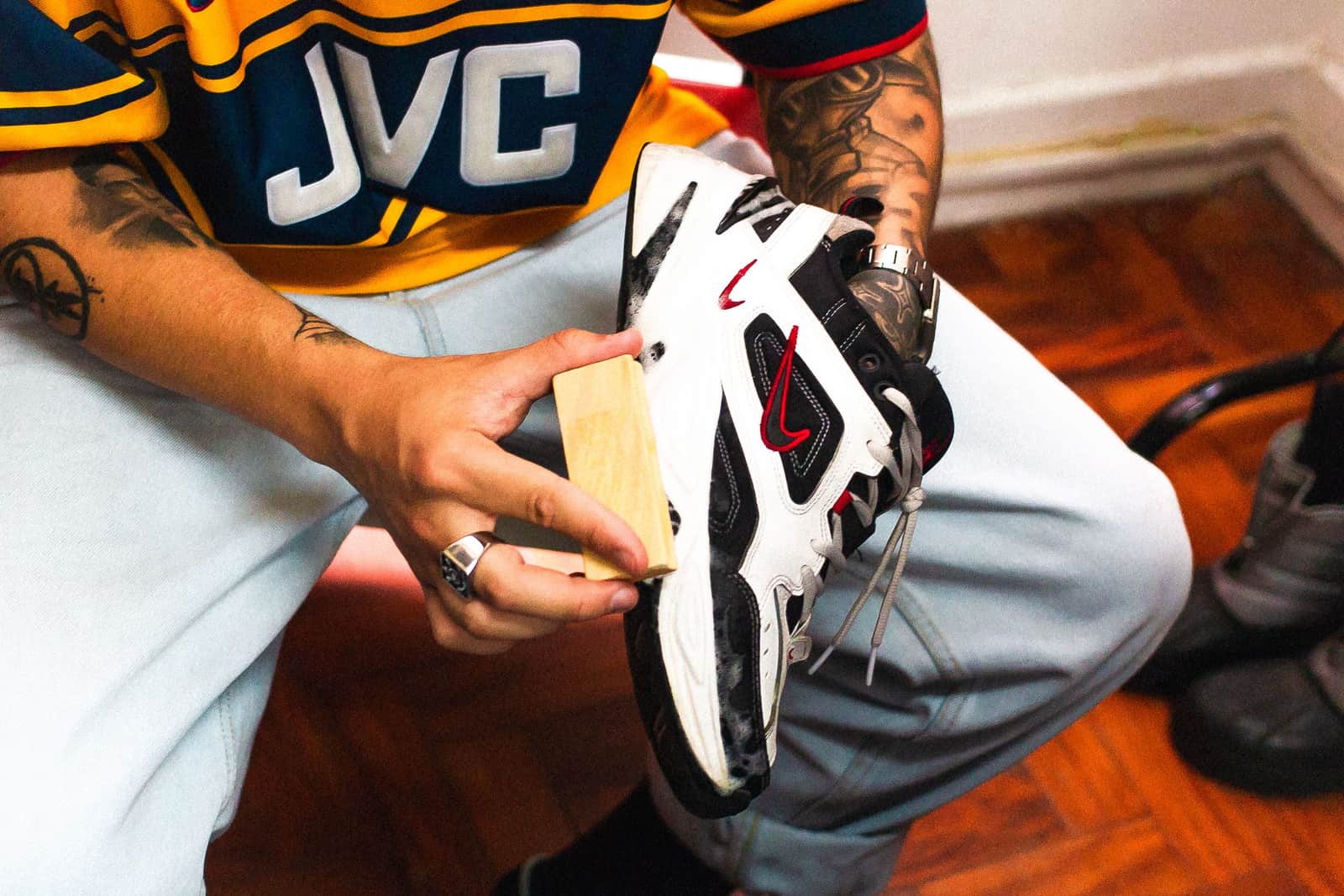
How to clean suede boots

The dry-first method for cleaning suede and nubuck, and the short list of things that permanently damage a nap.

08 / The rest of the chain

The next problem this one causes

Wet, stinking, salted and dried-out are not four separate problems. They are one chain, in that order, and fixing the first one properly is what stops the other three.