Skip to content
Boot & Brush
01 / Waterproofing

Waterproofing

The treatment aisle is confusing on purpose. It is much simpler than it looks: the material decides the product, and almost nothing else does.

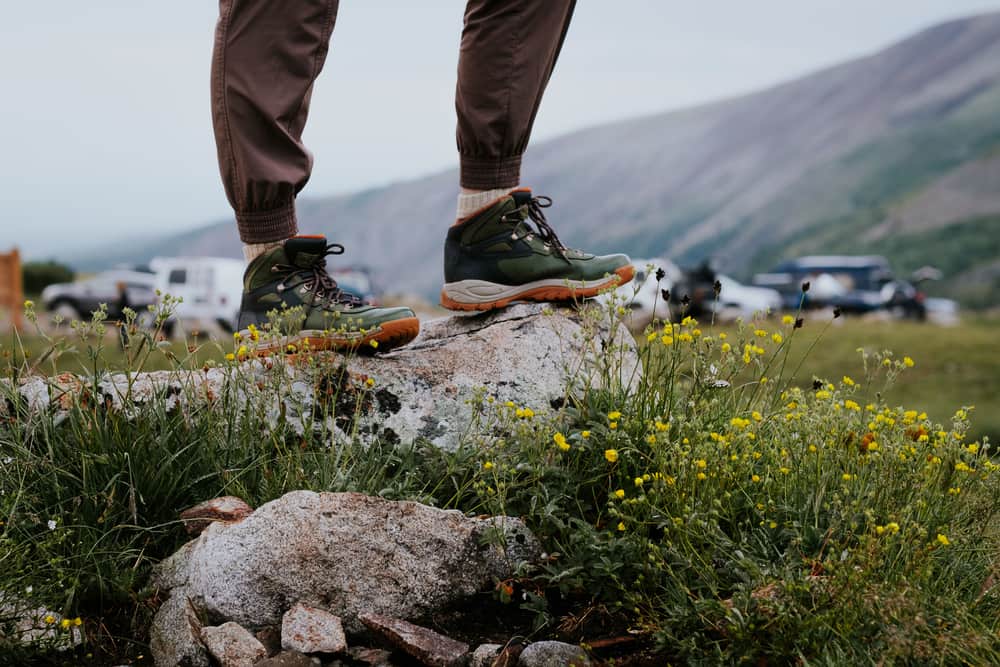
A waterproofing treatment being applied to a leather boot
02 / Orientation

Almost every waterproofing question turns out to be a material question. Wax on suede ruins it. A water-based spray on a heavy work boot in constant mud washes off in a fortnight. A silicone aerosol on a membrane-lined hiking boot can close the pores the membrane needs to breathe through. Nothing here is about brand loyalty; it is about matching a chemistry to a surface.

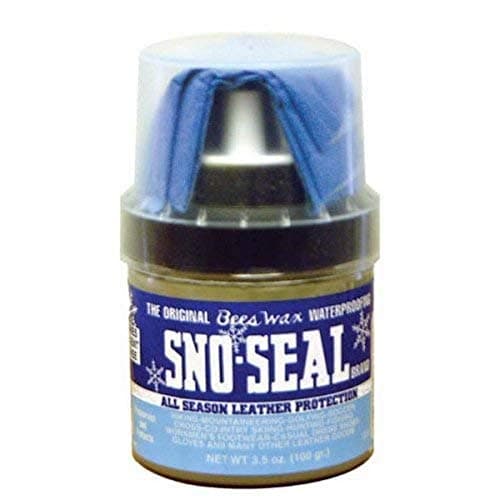
The second thing worth knowing is that most treatments have a moisture instruction, and most people ignore it. Nikwax tells you to apply Nubuck & Suede Proof to clean, wet footwear. Atsko tells you to preheat clean, dry boots before Sno-Seal, and not past 120 °F. Those are opposite instructions, and both are correct for their own product.

03 / If you buy one thing
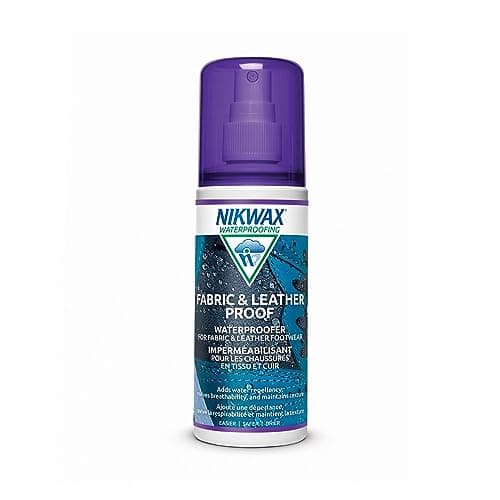
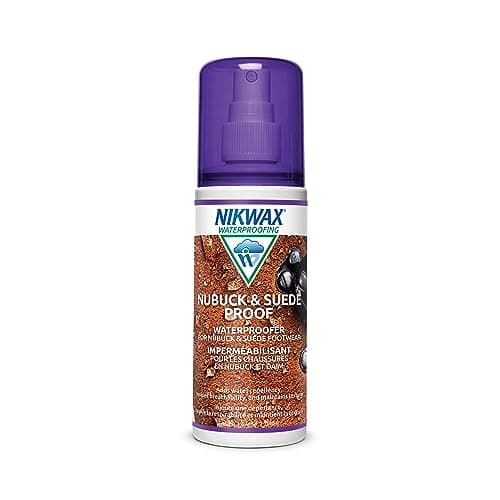
An aerosol footwear waterproofing treatment - a stand-in for the Nikwax Nubuck & Suede Proof, not a photograph of this model

Nikwax

Nikwax Nubuck & Suede Proof

The maker's directions say apply it to wet boots, which removes the step everybody skips.

Skip it if: Your boots are smooth full-grain leather - this is formulated for nubuck and suede, and Fabric & Leather Proof is the sibling you want.

Check price on Amazon

#ad We hold no verified live price for this product, so we show none. How this site is funded.

Why it wins, and what it beat

04 / What decides this

The three chemistries, and what each is for

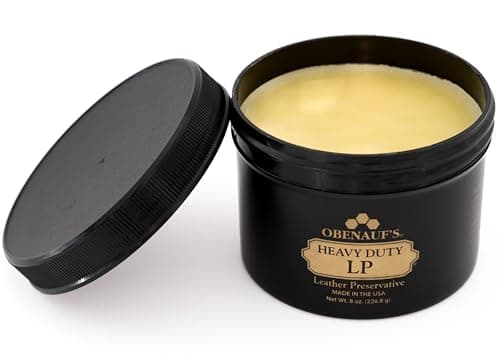
  • Wax dressings (Sno-Seal, Otter Wax, Huberd’s). A physical film of beeswax sitting in and on the leather. The most durable barrier you can get, the heaviest look, and the one that darkens leather. Smooth full-grain only - Atsko says outright that Sno-Seal is not recommended for suede and will flatten the nap.
  • Water-based proofers (Nikwax, Grangers). Nikwax describes these as elastic water-repellent molecules that bond to the fibers and leave the spaces between them open and breathable. That is the trade: less absolute water resistance than wax, but the boot still vents. Both brands publish that their footwear proofers are PFAS/PFC-free.
  • Solvent and silicone aerosols. Fast, cheap, easy to apply evenly, and generally the shortest-lived. They are the right answer for a mixed shoe rack you want protected in ten minutes.

Match it to your boots in one line

  • Smooth full-grain leather work boots: a wax dressing. How to apply one properly.
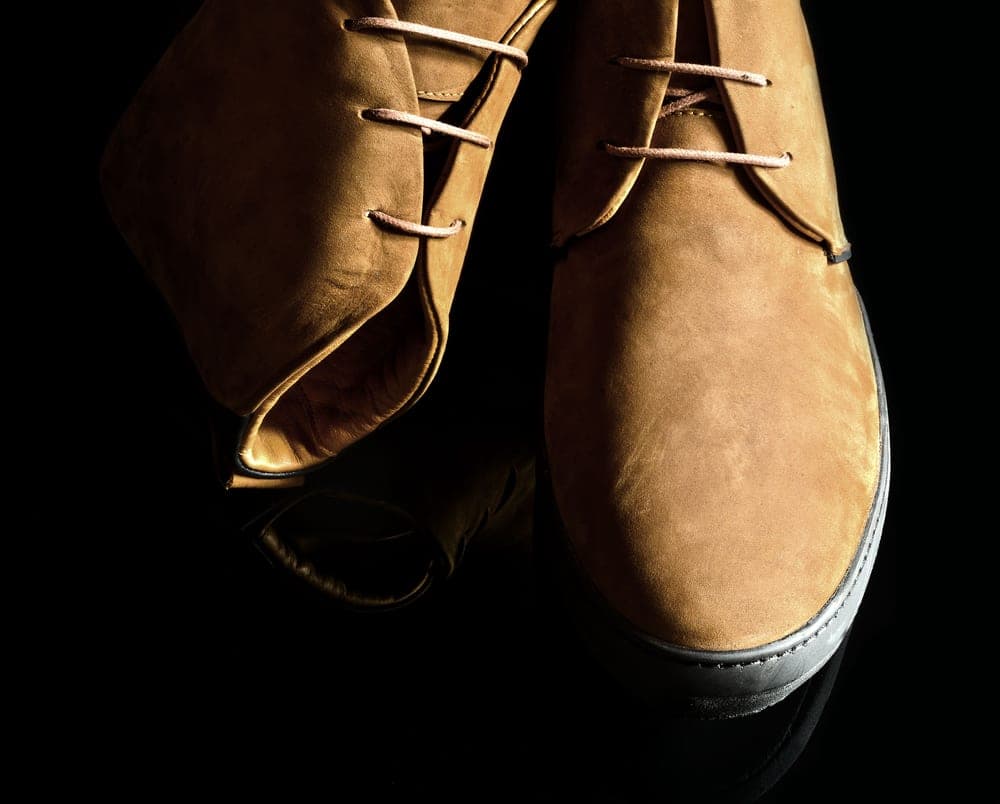
  • Suede or nubuck: a spray made for napped leather, never a wax. The suede procedure.
  • Fabric-and-leather hiking boots with a membrane: a water-based proofer, so the membrane keeps working.

Clean first. Always.

Every manufacturer in this category says the same thing and it is the step people skip: proof a dirty boot and you seal the dirt in. Nikwax sells the cleaning gel and the proofer as a two-stage system for exactly this reason -green for clean, purple for proofing. Salt is the worst offender, because a dried salt crust sits between the treatment and the leather. If your boots have been near a gritted road, they need the salt off first.

How often

There is no universal interval, and any site that gives you one is guessing. The honest test takes four seconds: flick water onto the toe. If it beads and rolls, the finish is intact. If it darkens the leather and sits there, the finish has gone and the boot is now absorbing water on every wear - which is the beginning of the whole chain again. More on reading that test.

Where this leads

A boot that has stopped repelling water is a boot that will be soaked by Thursday, and wet leather is what road salt attacks. Waterproofing is the maintenance end of the chain: it is what stops the other three problems starting.
05 / What to buy

The picks

06 / Head to head

When two options both look right

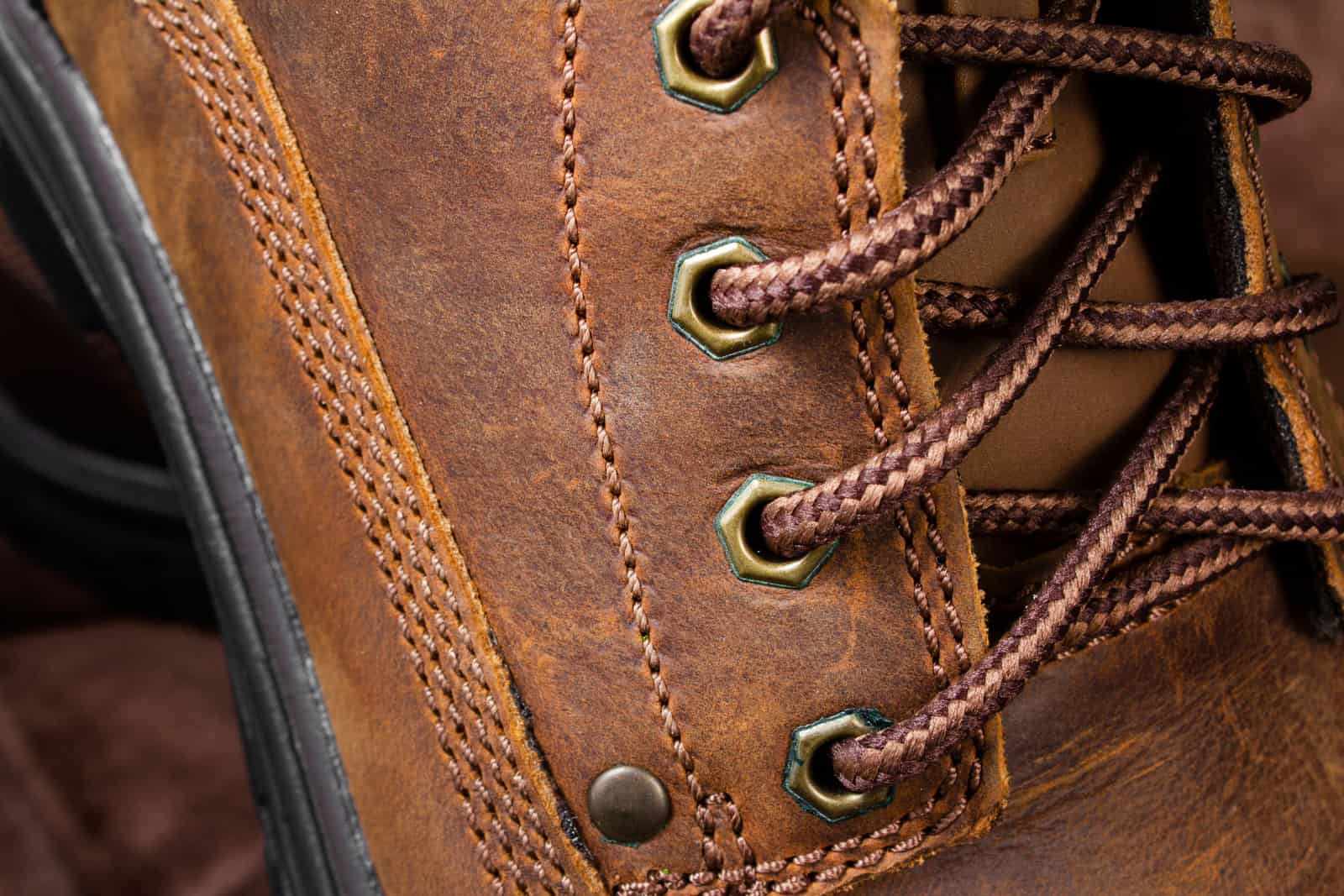
Close-up of a brown leather boot showing the lace and stitching
04 / Comparison

Nikwax vs Sno-Seal

Water-based proofer against beeswax dressing: opposite application methods, opposite materials, and a clear rule for which you need.

Shelves holding many pairs of shoes in a storage area
05 / Comparison

Wax vs spray vs cream

What wax, spray and cream each actually do to a boot, and the single question that tells you which one you need.

07 / How to do it

The method

A pair of dark leather boots photographed from above on a wooden floor
06 / Guide

How to waterproof leather boots

The full waxing method for smooth leather boots, including the published 120 F heat ceiling and what wax does to color.

A person cleaning the surface of a light-colored shoe by hand
07 / Guide

How to waterproof suede boots

The published method for proofing suede and nubuck - brush first, water-based spray, 2-minute dwell, and no wax ever.

Cars driving on a slushy snow-covered road in winter
09 / Guide

Winter boot waterproofing

Why winter defeats ordinary waterproofing, and the October-to-March routine that keeps salt out of the leather.

08 / The rest of the chain

The next problem this one causes

Wet, stinking, salted and dried-out are not four separate problems. They are one chain, in that order, and fixing the first one properly is what stops the other three.