The insole is the wettest part of any boot and the part that dries slowest. Making it removable and rotatable does more for smell than most deodorizers.
By Scooter M., Enthusiast. Published September 1, 2026.
We earn a commission if you buy through the links on this page, at no extra cost to you. It never changes a ranking, and we recommend products with no affiliate link behind them where those are the right answer. Full disclosure.
Quick picks
The shortlist, ranked
Ranked on published manufacturer specifications and, where a wattage figure exists, computed running cost. Tap any row for the full write-up, including who should skip it.
#
Product
Best for
Score
Price
01
Superfeet All-Purpose Support High ArchLong days in work boots, and a footbed that dries overnight
Scores are ours and editorial. They are never published as review or rating markup, because we have not tested these products.
Buy two pairs of cheap insoles before you buy one expensive pair. That is the actual recommendation and it is nearly free. The footbed absorbs more sweat than any other part of the boot and dries slowest because it is pressed flat against the sole. Rotating a dry footbed in every morning eliminates the single worst reservoir in the system.
Why the footbed is the problem
Sweat goes downward. It collects in the foam and fabric of the insole, which sits in the least ventilated part of the boot with the boot’s own weight holding it against the sole. Left in place overnight, it is still damp in the morning - and warm, moist and dark is the exact combination the bacteria need.
Pulling the insole out at the end of the day does two things at once: the footbed gets air on both sides, and the inside of the boot gets airflow it never had. It costs five seconds and it is the highest-return habit in this entire hub.
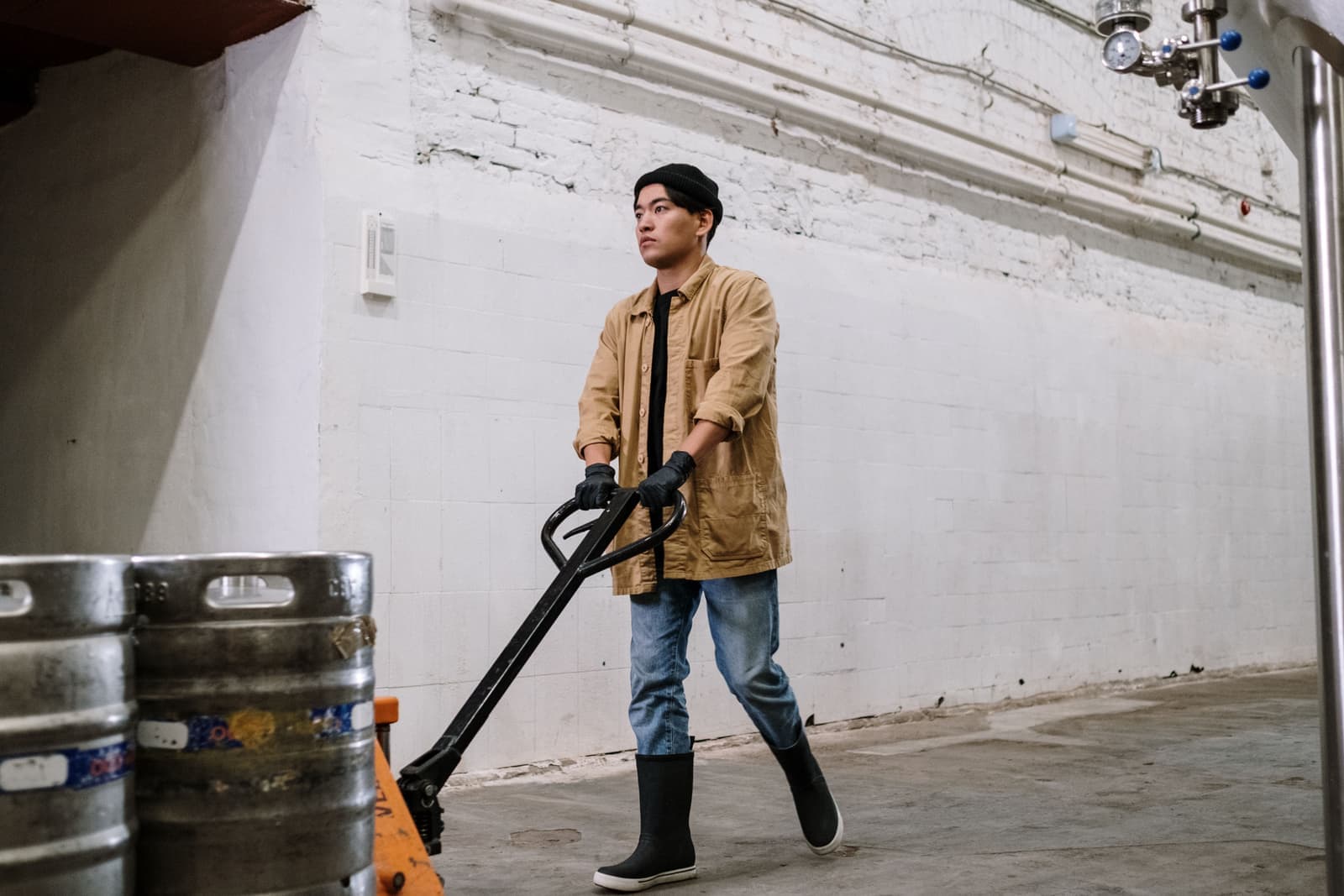
Ten-hour days in safety boots is the hard case. Two footbeds on rotation is the cheap fix.
Structure versus cushioning versus airflow
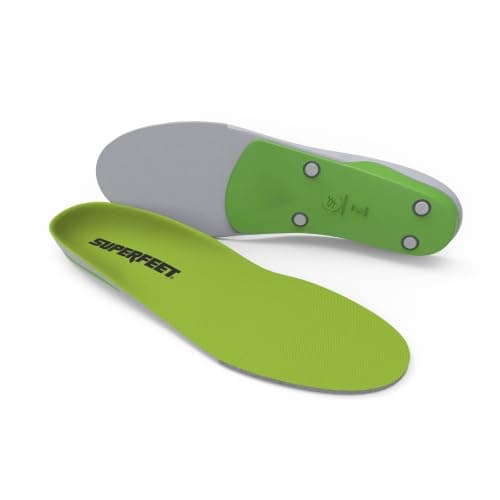
Superfeet All-Purpose Support takes the top spot because it is a structured insole you can genuinely pull out and dry separately - it holds its form rather than compressing into a damp pad. The trade-off is published on its own card: a structured insole takes real volume, so it is the wrong choice if your boots already fit snugly.
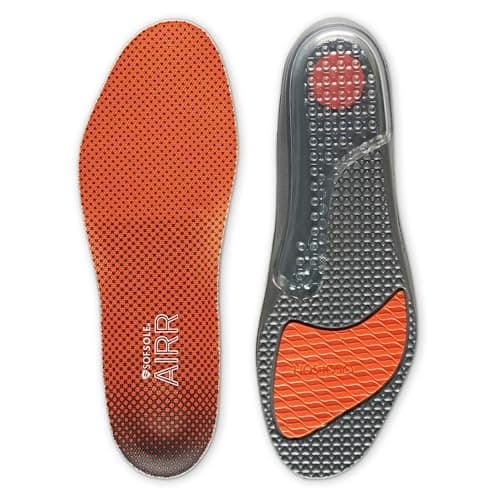
Sof Sole Airr is built around a ventilated construction, which is a claim that matters more in a boot than in a running shoe - a boot has almost no passive airflow of its own, so any path for air to move is worth more.
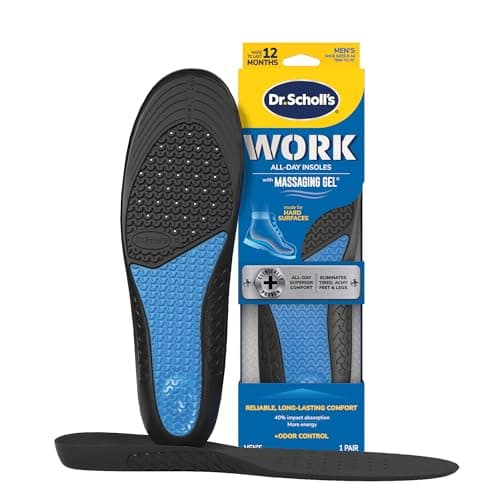
Dr. Scholl’s Work Insoles are here specifically as the rotation pick. They are cushioning rather than structural, and they are cheap enough to buy two pairs, which is the strategy this whole page is built around.
Insoles are a consumable
Foam that has been compressed and soaked all winter does not recover. If an insole has gone hard, flat or permanently discolored, it is finished - and a saturated one is a bacterial reservoir you are putting back into a clean boot every morning. Replacing them at the start of each wet season is a reasonable default.
What insoles will not fix
If the boot lining itself is soaked, a fresh insole is a dry thing inside a wet thing. Get the boot dry - overnight on a dryer, or by the no-dryer method - and then the insole strategy works. Details in how to dry boots overnight.
Before buying replacements, it is worth knowing whether the ones you have are finished. Superfeet publishes both a wash method and a working replacement interval, and the four checks that tell you which side of that line an insole is on are in clean or replace your boot insoles.
This page ranks on moisture, because that is what drives the smell. If your starting problem is a twelve-hour shift on concrete rather than a damp footbed, the same products sort differently - the best insoles for work boots ranks them on what a work boot actually asks of a footbed. And if you are choosing between the two structured brands people cross-shop, Superfeet vs PowerStep puts their published specifications side by side.
One layer sits closer to the sweat than any insole does, and it is cheaper to change: the sock. Cotton holds water against the skin, merino moves it, and polypropylene barely absorbs any at all - the best socks for sweaty feet ranks five on published fiber content, and it is the change we would make before buying anything else in this hub.
The write-ups
Every pick, in full
01 / Best overall
Superfeet
8.4 / 10
Superfeet All-Purpose Support High Arch
A structured insole you can pull out and dry separately, which is the single biggest drying improvement most work boots can get.
Everyone in this category says they tested twenty dryers. We have not tested any, and we say so. What we did instead: read the manuals, compile the published specifications, compute the running cost from the manufacturer's own wattage figure, and show the arithmetic so you can check it.
A removable insole helps a lot, mostly because you can take it out to dry. The footbed holds more sweat than anything else in the boot and dries slowest. Owning two pairs and rotating them is more effective than any single premium pair left in place.
How often should you replace insoles in work boots?
When the foam has gone hard or flat, or after a season of daily wet wear. Compressed, repeatedly soaked foam does not recover, and it becomes a reservoir that reintroduces bacteria to an otherwise clean boot.
Should you take insoles out to dry boots?
Always. It gets air to both sides of the footbed and opens up the inside of the boot at the same time. It is the highest-return five seconds in boot care.
Will thicker insoles make boots hotter?
More material means more insulation and less internal volume, so yes, slightly - and a tighter boot sweats more. If your boots already fit snugly, a cushioning insole is a safer choice than a structured one.